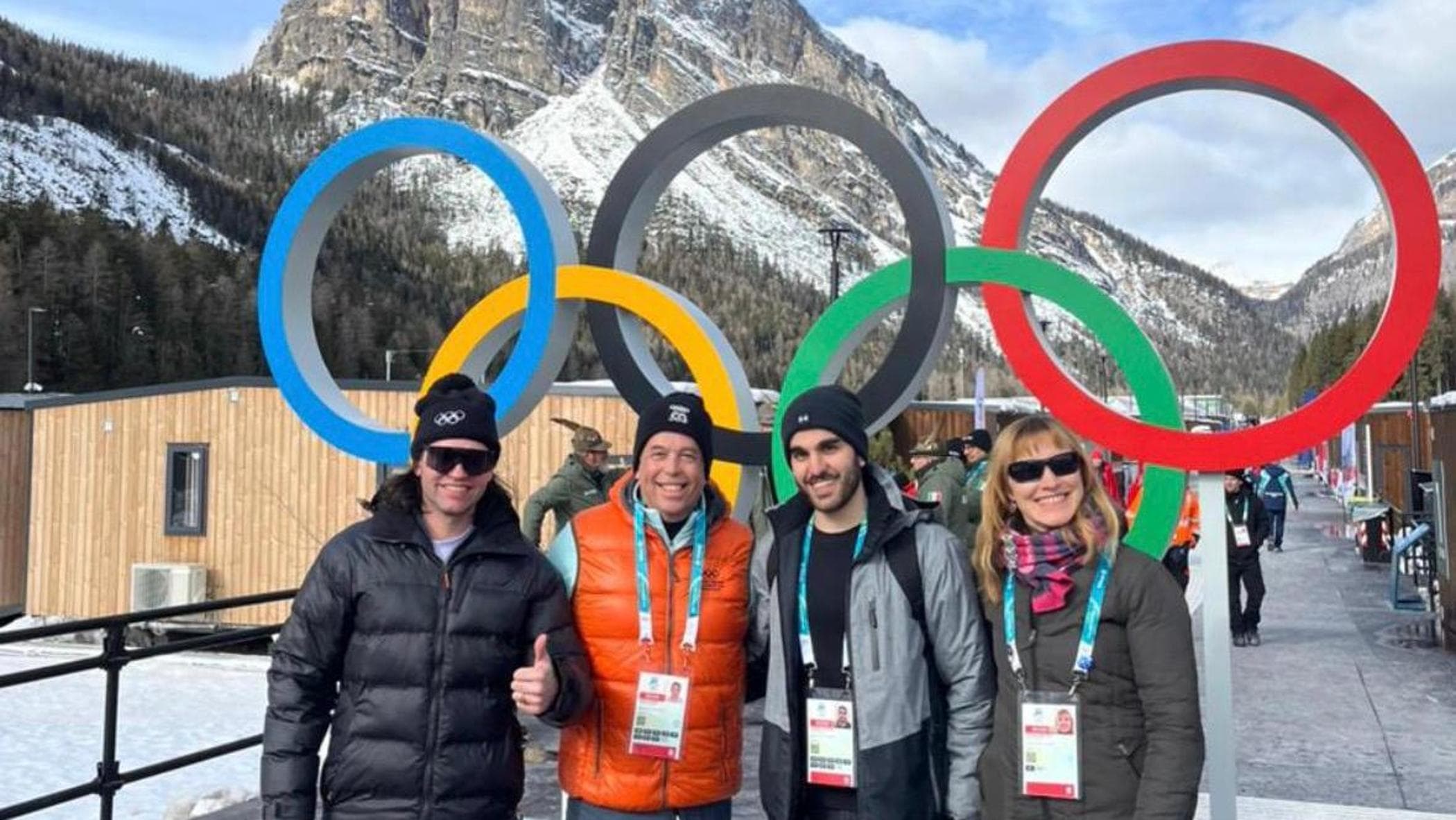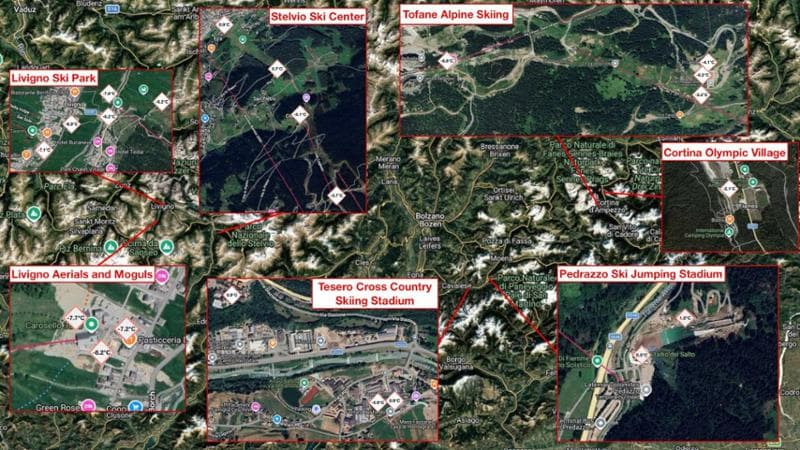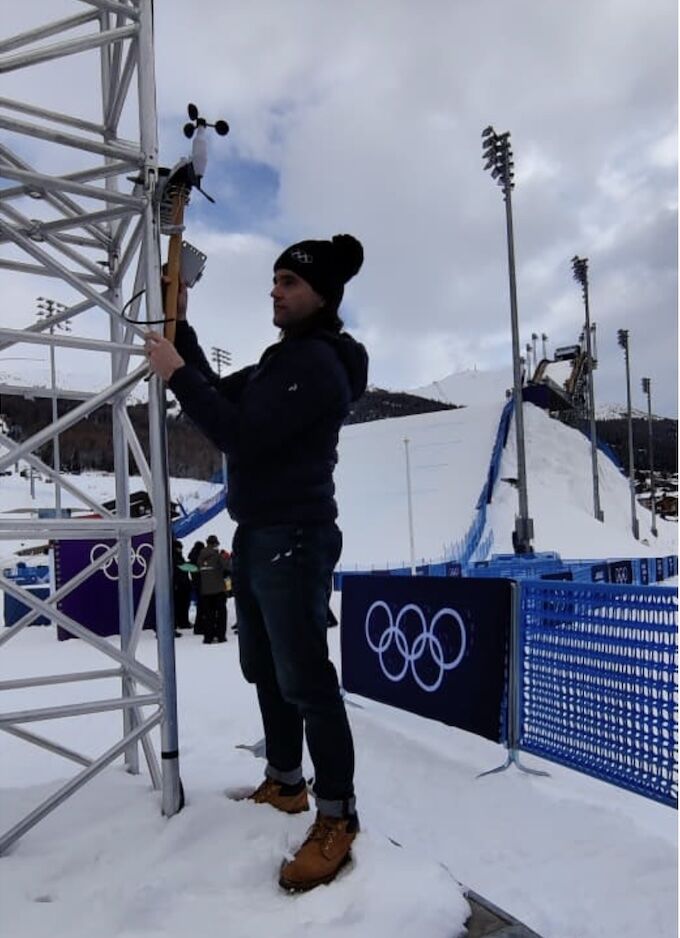

We capture real-time metrics from the human body and surrounds to allow diagnosis and action plans that improve human performance, wellbeing, health and safety.
Our platform provides the ecosystem that delivers a range of live data feeds from within, on and outside the body of an individual. Sending live data to remote support, coaching or medical teams via desktop, tablet, or a smartphone in real time, anywhere with internet access or mobile access.
There is no other technology that can remotely determine, in real time, the physiological and biochemical factors that impact on our health, well-being and performance. Our technology can withstand extreme environments and provide instant feedback.
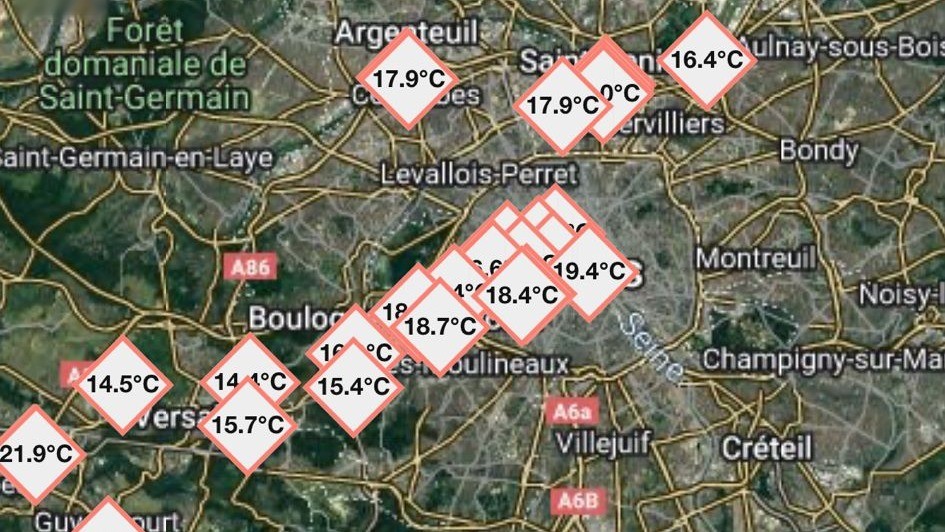
See how our sensors capture real-time human and environment data in the field — from elite competition to the most extreme environments on earth.
Hong Kong 2024
Singapore Half Marathon 2023
Everest Expedition 2025 · Speed World Record
Paris Olympics 2024
Peer-reviewed research validating the sensors, methods and monitoring ecosystem behind our technology — independent of any single event.
Sensors · 2026
From Sensors to Systems: Real-Time Human Performance and Health Monitoring
A framework for moving beyond isolated wearables to integrated, multi-sensor physiological monitoring.
Frontiers in Physiology · 2026
Sweat Sodium Composition and Sweat Loss Estimation through Wearable Sensors and Predictive Equations in Dry and Humid Hot Conditions
Validating our wearable sweat sensor against laboratory-grade methods in hot, humid conditions.
GeoHealth · 2021
Heat Safety in the Workplace: Modified Delphi Consensus to Establish Strategies and Resources to Protect US Workers
Expert consensus on strategies and resources to protect workers from occupational heat stress.
British Journal of Sports Medicine · 2018
IOC Consensus Statement on Recommendations and Regulations for Sport Events in the Heat
The IOC's official guidance on protecting athletes competing in hot conditions.
Remote, real-time monitoring of physiological and biochemical markers means clinicians and care teams can spot warning signs early and step in before a routine check becomes an emergency. From vital signs to hydration and stress markers, care extends beyond the clinic to wherever the patient is.
Live physiological feeds — heart rate, core temperature, hydration, exertion — reach coaches and support staff the moment they're captured, on desktop, tablet or phone. Training loads can be adjusted in real time and performance decisions are based on what an athlete's body is actually doing, not just what the stopwatch says.
The same live data streams that support athletes and medical teams can be pushed straight into broadcast graphics, giving viewers a first-hand look at heart rate, effort and physiological strain as it happens — turning invisible performance data into a story fans can follow in real time.
Before we were Human Telemetrics, we were SUB2 — a research initiative built around a single audacious goal: help an athlete become the first person in history to run a marathon in under two hours.
Chasing that record meant building real-time sensors and monitoring systems capable of tracking an elite athlete's physiology under extreme performance demands. The ecosystem we built for that pursuit became the foundation of the technology platform we run today.
Human Telemetrics was born from that pursuit — carrying the same sensors, the same real-time thinking, and the same drive to push human performance forward, now applied across sport, health and safety.